Reading Time: 4 minutes
The Question I Keep Getting This Week
“If the Fed didn’t do anything, why did my portfolio move?”
I’ve had some version of this conversation more times than I can count over the past few days. A client sees a headline that says the Fed held rates steady, then opens their statement and sees stocks or bonds moved anyway. It feels like a contradiction. It isn’t.
Markets are forward-looking. They don’t just react to what happened in a meeting room in Washington. They react to what that meeting tells us about what’s likely to happen next. A “hold” is not nothing. It’s information. And sometimes information changes minds even when it doesn’t change rates.
Markets Trade the Future, Not the Present
Here’s the simplest way I can put it: by the time the Fed announces a decision, markets have usually already priced in what they expect. The move you see afterward is the gap between what was expected and what was actually said or signaled.
If the Fed holds rates steady but its language, its forecasts, or its tone shift even slightly, that’s new information. Maybe the market had priced in a strong chance of a future cut, and the Fed’s comments made that look less certain. Maybe the opposite happened. Either way, the rate itself didn’t move — but the expectation of where rates are heading did. And expectations are what asset prices are built on.
This is worth sitting with, because it explains a lot of confusing market days. The news can say “no change” and the market can still swing. Both things are true at once.
The Fed’s Two Jobs
It helps to remember what the Fed is actually trying to do. Its mandate, set by Congress, has two parts. Keep prices stable. Keep employment as high as sustainably possible.
Those two goals don’t always pull in the same direction. Fighting inflation often means slowing the economy down, which can cost jobs. Supporting employment often means keeping money cheap, which can let inflation run hotter. Every meeting, every statement, every “hold” or “cut” or “hike” is the Fed trying to signal how it’s weighing those two competing goals in that moment.
When you view Fed decisions through that lens, a hold makes sense as its own kind of statement. It can mean “we think we’re close to the right balance for now.” It can mean “we need more data before we move again.” The market’s job is to guess which one it is — and adjust.
A Fed That Wants to Talk Less
There’s a development this week that’s relevant here, even though it’s a little inside baseball.
According to reporting on people familiar with the matter, Fed Chairman Kevin Warsh has floated with colleagues the idea of the Federal Open Market Committee meeting less often — perhaps six times a year instead of the current eight. It was described as a subject for discussion, not a formal proposal, and this came during only his second meeting presiding over the 12-person committee. The idea was reported earlier by the New York Times.
Whether or not this idea goes anywhere, it tells you something. It suggests a Fed under Warsh that wants to speak less frequently and command less of the market’s constant attention.
I find that interesting, because so much of what moves markets in between meetings isn’t policy — it’s commentary. Speeches, minutes, press conferences, stray comments from officials. A Fed that meets less often, by design, would be handing markets fewer opportunities to overreact to language and more reason to focus on actual data and outcomes.
I don’t know if that shift happens, or how the committee would actually vote on it. Nobody outside that room does yet. But it’s a reminder that the process of Fed communication is itself something that shapes market behavior — separate entirely from whether rates go up, down, or nowhere at all.
What Intelligent Investors Should Do
The wiser posture, in my view, is not to try to out-guess the Fed or the market’s reaction to the Fed. It’s to build a portfolio and a financial plan that doesn’t depend on guessing correctly meeting after meeting.
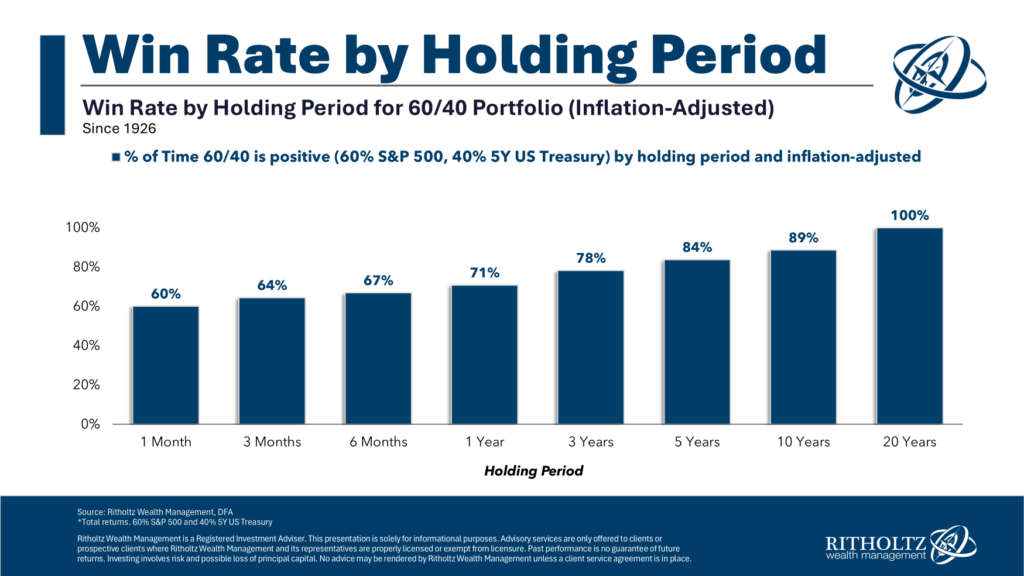
That doesn’t mean ignoring what’s happening. It means understanding why markets moved — without feeling compelled to trade on it. A Fed holding rates that resets expectations for future cuts is exactly the kind of moment that tempts people into action. It’s also exactly the kind of moment where patience tends to be rewarded more than reflexes.
Where This Leaves Us
Nobody — not me, not the Fed, not the sharpest analyst on television — knows with certainty where rates go from here, or how many more meetings it will take to get there, or whether the FOMC will actually start meeting six times a year instead of eight.
What we can do is understand the mechanics well enough not to be spooked by headlines that seem contradictory on their surface. A quiet meeting can still move markets. That’s not a flaw in the system. That’s the system working the way it’s supposed to.
If you’ve been staring at a headline this week trying to figure out what it means for your own plan, that’s a good conversation to have — not a decision to make alone based on a news alert. Our goal is always to help you minimize your financial stress so you can focus on maximizing your life.
Schedule a Conversation